Hi Everyone and Welcome Back!
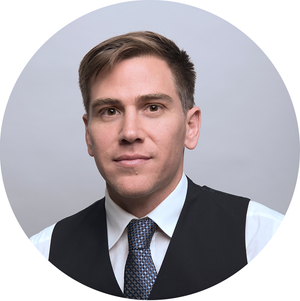
This week on The Nick Halaris Show we are featuring Erin Hughes, the co-founder and Executive Director of Solidarity Engineering, an organization dedicated to using engineering to protect the public health of communities in crisis. They got their start back in 2020 by providing clean water and sanitation facilities at asylum-seeker camps that formed as a result of the controversial Remain in Mexico policy. Now, they are providing humanitarian support at camps across the US-Mexico border and around the region. Their primary focus is on water, sanitation, and hygiene programs, but they also build playgrounds, provide STEAM education, and engage in data-driven advocacy.
Ready to dive in? Listen to this episode on Apple Podcasts, Spotify, Google Podcasts, Amazon Music and YouTube or on your favorite podcast platform.
I wanted to have Erin on the show to highlight her incredibly courageous story and get the perspective of someone’s who has actual on-the-ground experience at the border. The news coverage of the border situation seems so rife with hyperbole and untrustworthy information, I really wanted to talk to someone who is actually there and seeing what’s happening firsthand. I had high hopes for this conversation and it did not disappoint. Please tune-in to this important episode to learn:
-
How an award-winning This American Life podcast episode inspired Erin to drop everything, quit her job, and head down to Mexico to try to make a difference
-
Why she spent the pandemic building water, sanitation, and hygiene infrastructure for some of the most vulnerable people in the world
-
How the asylum system used to work, what’s happening now, why it’s so broken, and what we should do about it
-
The surprising demographics of asylum seekers
-
The terrible role that drug cartels play in the migration ecosystem and how they are using dangerous conditions along the way, like in the Darian Gap, to their advantage
-
& Much, much more
Stay tuned to the end to hear why Erin believes that pressure from climate change, failed States, drug trafficking, and global conflict means that largescale migration is here to stay.
As always, I hope you all enjoy this episode. Thanks for tuning in!
Love this episode? Please rate, subscribe, and review on your favorite podcast platform to help more users find our show. 🙏 Thank you
Summary
Solidarity Engineering is a nonprofit organization that provides community-driven, public health-focused engineering for people in crisis, specifically at the US-Mexico border. They focus on providing clean drinking water, sanitary bathroom facilities, and functional showers in border camps. They also engage in infrastructure projects such as playgrounds, shades, and shelters. Their work is driven by data-driven advocacy and community feedback. The conditions in the border camps before Solidarity Engineering's involvement were terrible, with preventable waterborne illnesses and lack of proper sanitation facilities. Solidarity Engineering has seen immediate results in improving the conditions and reducing health issues through their projects. The length of stay in the camps varies depending on the country of origin, with some people staying for a few days or weeks, while others may stay for months or even years. The organization emphasizes the need to redefine and expand the terms used to describe asylum seekers, refugees, and migrants. The founder's decision to start Solidarity Engineering was driven by frustration with the political climate and a desire to make a direct impact on the lives of those in need. Erin Hughes discusses the dangerous conditions faced by asylum seekers in Mexico, including the influence of cartels and the vulnerability of those living in camps. She emphasizes the need for a revamped asylum process in the United States and highlights the importance of investing in social workers, lawyers, and resources to expedite the processing of asylum cases. Erin also discusses the potential future projects of Solidarity Engineering, including providing aid in the Darien Gap and responding to climate-related disasters.
Keywords
Solidarity Engineering, nonprofit organization, community-driven, public health-focused engineering, US-Mexico border, clean drinking water, sanitary bathroom facilities, functional showers, infrastructure projects, playgrounds, shades, shelters, data-driven advocacy, community feedback, border camps, conditions, preventable waterborne illnesses, length of stay, redefine terms, asylum seekers, refugees, migrants, founder's motivation, asylum seekers, Mexico, cartels, camps, immigration policy, humanitarian work, Darien Gap, climate migration, emergency response
Takeaways
-
Solidarity Engineering provides engineering solutions to improve the living conditions in border camps at the US-Mexico border.
-
Their projects focus on providing clean drinking water, sanitary bathroom facilities, and functional showers, as well as infrastructure projects like playgrounds and shelters.
-
The organization's work is driven by data-driven advocacy and community feedback.
-
The founder's decision to start Solidarity Engineering was motivated by frustration with the political climate and a desire to make a direct impact on the lives of those in need. Asylum seekers in Mexico face dangerous conditions, including the influence of cartels and the vulnerability of those living in camps.
-
The asylum process in the United States needs to be revamped to allow for quicker processing and to provide a place of safety for asylum seekers.
-
Investing in social workers, lawyers, and resources for the asylum process is crucial to expedite cases and prevent people from living in limbo.
-
Solidarity Engineering is considering future projects in the Darien Gap, Gaza, and Ukraine, and aims to shift towards emergency response work.
-
The increase in climate-related disasters and conflicts may lead to a greater demand for humanitarian work in the future.
Titles
-
Improving Living Conditions in Border Camps: The Work of Solidarity Engineering
-
Data-Driven Advocacy and Community Feedback: The Approach of Solidarity Engineering Revamping the Asylum Process in the United States
-
The Impact of Climate Change on Humanitarian Work
Sound Bites
-
"Our work is a response to community requests and community feedback."
-
"We decided to go down and attempt to help out with some of these issues."
-
"We see immediate results."
-
"They've been through so much and that now they're stuck in these shelters and camps where they're already super vulnerable to the cartel."
-
"We just need to revamp the asylum process in the United States."
-
"More bars, more chains, more barbed wire, more guns, that's not going to do it."
Chapters
-
00:00 Introduction and Overview of Solidarity Engineering
-
08:40 Impact of the Remain in Mexico Policy on Camps
-
15:21 Immediate Results: Improving Health and Well-being in the Camps
-
31:17 COVID-19 and the Camps
-
39:37 Exploitation by Cartels
-
47:13 The Treacherous Darien Gap
-
54:26 Policy Changes for the Asylum Process
Like what you’re reading? Join us on our socials for more content throughout the week. 🙏 Thank you!